

 Send Inquiry
Tata Indica Tail Lamp Die
Tata Indica Tail Lamp Die Specification
- Tolerance
- ±0.01 mm
- Life Span
- Up to 1 million shots
- Core Material
- Hardened Steel
- Working Process
- Injection Moulding
- Mould Base
- High-quality Steel
- Material
- Tool Steel
- Shaping Mode
- Injection Mould
- Punch Dies
- Custom Profile
- Die Head
- Precision Machined
- Suitable Machine
- Horizontally Mounted Injection Moulding Machine
- Customization
- Available on Request
- Heating System
- Integrated Electric Heater
- Cooling System
- Water Cooling Channels
- Design Software Used
- AutoCAD/SolidWorks
- Maintenance
- Low Maintenance Required
- Weight
- Approx. 350 kg
- Cycle Time
- 30-60 seconds
- Runner System
- Cold Runner
- Die Type
- Tail Lamp Mould
- Product Application
- Tata Indica Tail Lamp Production
- Mould Cavity
- Single Cavity
- Surface Hardness
- HRC 48-52
- Finish
- Mirror Polished
Tata Indica Tail Lamp Die Trade Information
- Minimum Order Quantity
- 1 , , Piece
- Supply Ability
- 1 , , Piece Per Month
- Delivery Time
- 1 Week
Tata Indica Tail Lamp Die About
Tail Lamp Die For Tata Indica is manufactured with help of advanced software-based machines for ensuring utmost dimensional & structural precision. It is fabricated using strong metal alloy with corrosion resistant surface finish. This die is most commonly utilized in injection molding machine for assuring improved productivity & efficiency. It is tested on several performance parameters for gaining full client satisfaction and assuring high durability. Tail Lamp Die For Tata Indica can be availed at highly competitive rates in large quantities as required by our customers.
Features:
- Accurately delivers very fine detailing
- User-friendly nature
- Trustworthy performance
| Usage/Application | Molding Die |
Precision Engineering for Reliable Production
Our tail lamp mould features advanced AutoCAD and SolidWorks design, ensuring every die meets stringent standards for precision and longevity. The mirror-polished finish, custom punch dies, and high-quality steel base contribute to a consistent, high-gloss output and a smooth demoulding process. With a single-cavity, cold runner system, and tailored injection mould design, it delivers reliable results suitable for mass manufacturing.
Integrated Systems for Efficiency
Featuring an integrated electric heater and optimized water cooling channels, this die maintains stable processing temperatures throughout its operation. The efficient thermal management helps reduce each cycle to just 30-60 seconds, maximizing productivity and supporting fast-paced manufacturing environments. Horizontal mounting compatibility allows seamless installation with standard injection moulding machines.
Durability and Customization
Constructed with hardened tool steel for both the base and the core, the die boasts long-term durability with a lifespan of up to 1 million shots. Surface hardness ratings of HRC 48-52 and mirror-polished surfaces further ensure minimal wear and exceptional part quality. For unique production requirements, bespoke customization options are available upon request.
FAQs of Tata Indica Tail Lamp Die:
Q: How does the integrated electric heating system improve the tail lamp moulds efficiency?
A: The integrated electric heater provides precise temperature control during the injection moulding process, resulting in consistent melting and flow of the plastic material. This reduces fluctuations, lowers energy consumption, and ensures faster cycle times between 30 and 60 seconds.Q: What is the typical application of this Tata Indica Tail Lamp Die?
A: This die is specifically developed for the production of Tata Indica tail lamp covers. Its design and build accommodate high-volume, precision manufacturing in automotive tail lamp manufacturing facilities using horizontally mounted injection moulding machines.Q: When is it suitable to request customization for the tail lamp mould?
A: Customization should be requested when you require specific design modifications, cavity numbers, or tailored profiles to fit your particular tail lamp variant or production capacity. We provide customized solutions based on client requirements to ensure optimal compatibility and performance.Q: Where can this die be installed and used?
A: The Tata Indica Tail Lamp Die is intended for use in injection moulding setups equipped with horizontally mounted machines. It is suitable for automotive manufacturers, parts suppliers, and authorized service providers across India and internationally.Q: What is the process involved in producing tail lamps with this mould?
A: The process is based on injection moulding. The raw material is heated using the integrated electric heater, injected into the mirror-polished single cavity, cooled via water cooling channels, and then ejected as a finished tail lamp partensuring dimensional accuracy and a glossy finish.Q: How does the dies robust construction benefit production operations?
A: With core and base materials made from hardened tool steel and a surface hardness of HRC 48-52, the die withstands prolonged useup to 1 million cycleswithout significant wear, ensuring consistent product quality and lower maintenance costs.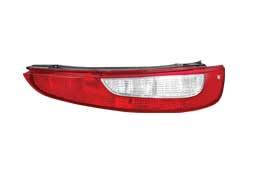

Price:
- 50
- 100
- 200
- 250
- 500
- 1000+

More Products in Tail Lamp Die Category
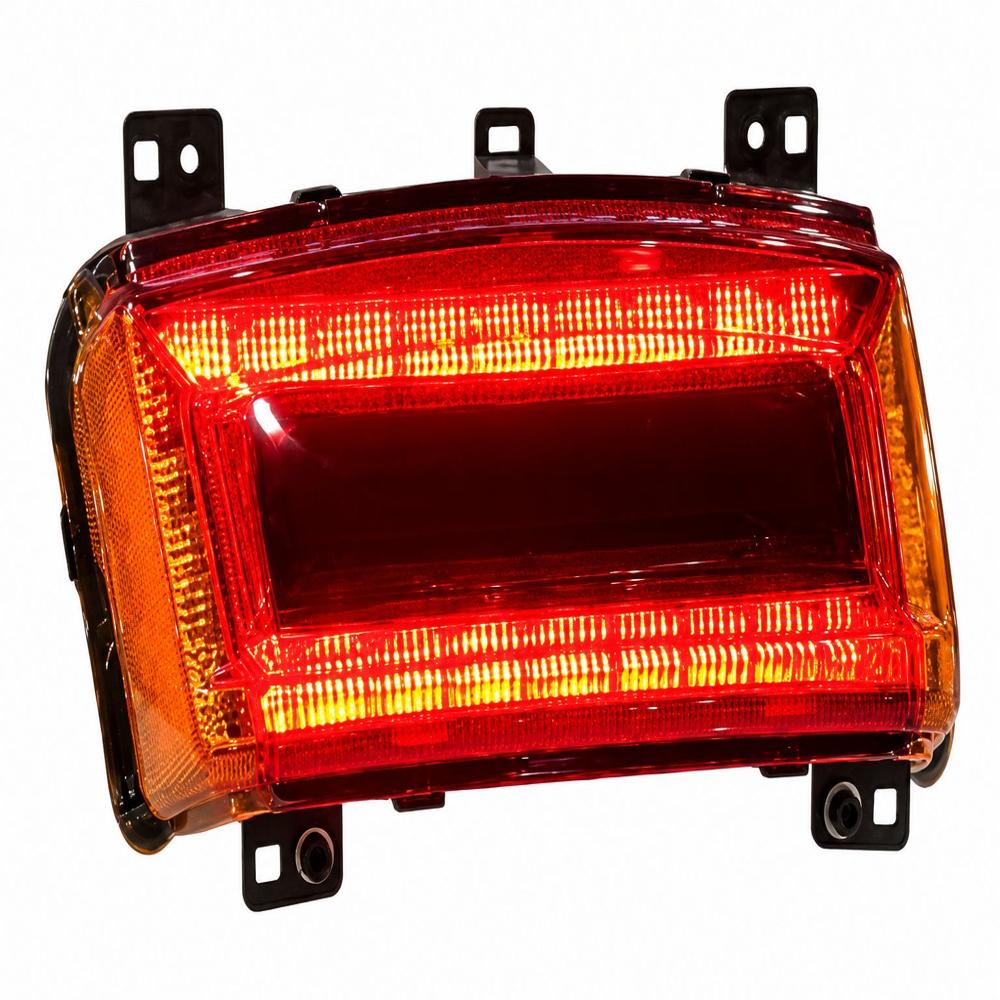
Tail Lamp
Minimum Order Quantity : 1 Unit
Punch Dies : Carbidecoated for extended life
Working Process : Other
Tolerance : 0.01 mm
Life Span : 500,000 to 1,000,000 shots
Core Material : Highquality hardened steel (H13/S136)
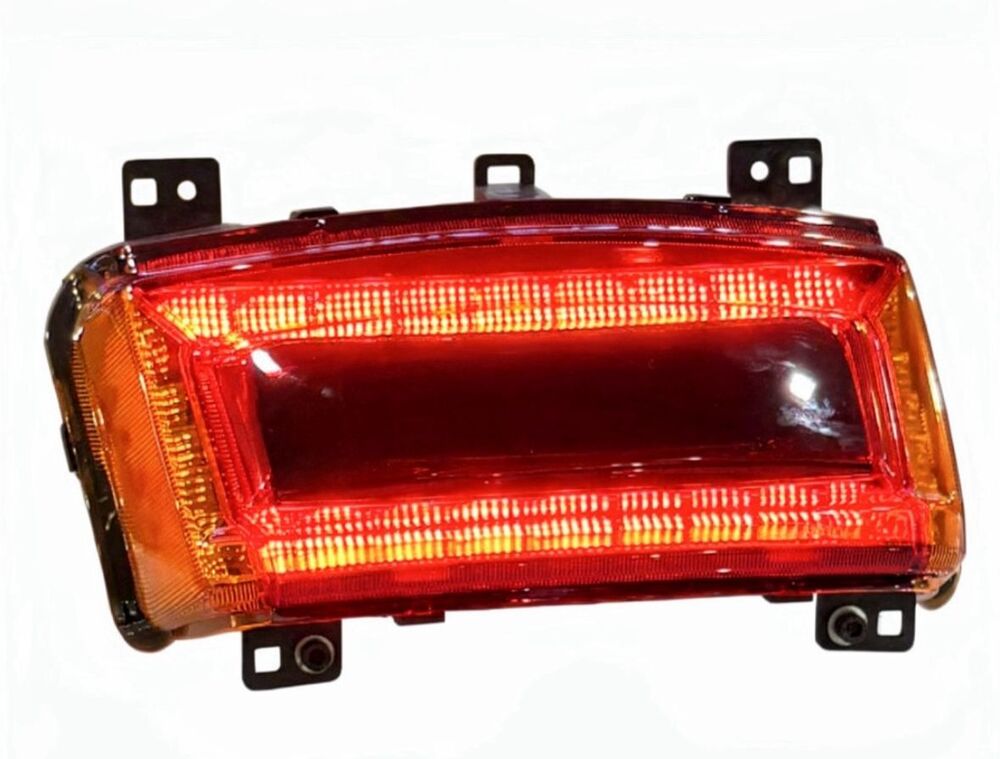
Tail Lamp Mould
Minimum Order Quantity : 1 Unit
Punch Dies : Customizable as per design
Working Process : Other, Plastic Injection Moulding
Tolerance : 0.01 mm
Life Span : 500,0001,000,000 shots
Core Material : H13/NAK80/S136 Steel
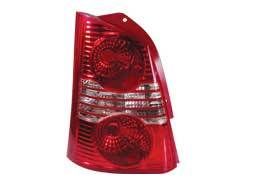
Hyundai Tail Lamp Die
Minimum Order Quantity : 1 Piece
Punch Dies : HighPrecision Hardened Steel
Working Process : Other, CNC Machining, EDM, Grinding
Tolerance : 0.01 mm
Life Span : 5,00,000 Shots
Core Material : H13 Steel / Aluminium
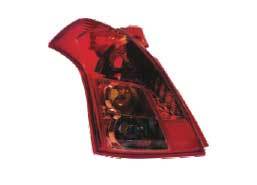
Maruti Tail Lamp Die
Minimum Order Quantity : 1 Piece
Punch Dies : Customengineered punches for enhanced accuracy
Working Process : Other, Injection moulding and die casting compatibility
Tolerance : 0.01 mm for critical dimensions
Life Span : Up to 500,000 shots depending on maintenance
Core Material : Hardened tool steel for longlasting performance


- B-15, Sector-3, DSIIDC, Bawana Industrial Area,Delhi - 110039, India
- Phone : 08045801973
GST : 07ARMPS3436P1ZZ

- Mr S. B. Sharma (Managing Director)
- Mobile : 08045801973
- Send Inquiry
Email Id: marketing@shyamjiengineering.com
 Send Inquiry
|


 Send Inquiry
 Send SMS
 Call Me Free
Developed and Managed by Infocom Network Private Limited.
