

 Send Inquiry
Induction Cooker Mould
Induction Cooker Mould Specification
- Life Span
- Up to 1,000,000 shots under proper maintenance
- Mould Base
- Standard steel base, precision machined for durability
- Core Material
- High-quality P20 or H13 tool steel
- Tolerance
- 0.01 mm
- Working Process
- CNC machining, EDM, polishing, assembly
- Material
- Premium-grade steel (P20, H13, or customers requirement)
- Shaping Mode
- Plastic injection mould
- Punch Dies
- Multiple cavity design for efficiency
- Die Head
- Customized as per induction cooker design
- Mould Weight
- Customized according to design
- Packaging
- Standard export wooden case
- Runner System
- Hot runner or cold runner, as required
- Cavity Number
- Single or Multi-cavity as per product specification
- Surface Finish
- Mirror polishing / Texture / Custom finish
- Mould Life
- Approximately 500,000 to 1,000,000 shots
- Application
- Plastic housing and structural parts for induction cookers
- Design Software
- AutoCAD, UG, Pro/E, SolidWorks
- Product Name
- Induction Cooker Mould
Induction Cooker Mould Trade Information
- Minimum Order Quantity
- 1 , , Piece
- Supply Ability
- 1 , , Piece Per Month
- Delivery Time
- 1 Week
- Main Domestic Market
- All India
Induction Cooker Mould About
Induction Cooker Mould offered by us is known for having perfect detailing for fan ventilation, nut fastening, and heat dissipation section. It is required for moulding housing of induction cooker with superior dimensional & structural accuracy. This mould is made of robust steel alloy with zinc plated surface finish thus resists corrosion. It is known to deliver highly precise every single detail which assists in perfect fitting. Induction Cooker Mould is available at reasonable rates in bulk as requested by our respected customers.
Features:
- Good impact & structural strength
- Highly durable
- Superior repeatability
| Usage/Application | Molding Die |
Precision Engineering for Superior Results
Employing cutting-edge design software such as AutoCAD, UG, Pro/E, and SolidWorks, our induction cooker moulds achieve exceptional accuracy with tolerances as tight as 0.01 mm. Each mould is precision machined on a standard steel base, ensuring consistent quality and durability throughout its service life.
Versatile Customization for Diverse Requirements
The mould can be tailored in cavity design, surface finish, runner system, and weight to meet the unique needs of every induction cooker project. Whether choosing mirror polishing, textured, or a custom finish, manufacturers have the flexibility to create distinctive plastic components.
Reliable Performance and Extended Lifespan
Constructed from high-quality P20 or H13 tool steel, and subjected to rigorous processing techniques, each mould delivers between 500,000 and 1,000,000 shots. With proper maintenance, businesses can count on lasting performance and minimal downtime in production cycles.
FAQs of Induction Cooker Mould:
Q: How is the surface finish of the Induction Cooker Mould determined?
A: The surface finishmirror polishing, texture, or custom optionsis selected based on product specifications and customer preferences to enhance the appearance and functionality of the plastic parts.Q: What does the runner system provide in the moulding process?
A: Depending on requirements, the mould includes a hot or cold runner system. Hot runners offer efficient material flow and reduced waste, while cold runners provide cost-effective solutions for simpler designs.Q: When should manufacturers choose single or multi-cavity designs?
A: Single-cavity designs are ideal for prototypes or small-scale production, while multi-cavity options maximize output and efficiency for larger manufacturing runs.Q: Where is the Induction Cooker Mould primarily used?
A: This mould is primarily utilized in the production of plastic housings and structural components for induction cookers, supporting manufacturers, suppliers, and service providers in India and beyond.Q: What is the typical process for manufacturing parts with this mould?
A: The process includes CNC machining, EDM, polishing, and assembly, followed by plastic injection moulding to shape the required component according to induction cooker specifications.Q: How does using premium-grade steel benefit mould longevity?
A: Employing P20 or H13 tool steel enhances the moulds durability, allowing for up to 1,000,000 shots and reducing the frequency of replacements, which increases cost-efficiency for manufacturers.Q: What packaging ensures safe delivery of the Induction Cooker Mould?
A: Standard export wooden cases are used to protect the mould during transportation, minimizing the risk of damage and ensuring it arrives in optimal condition.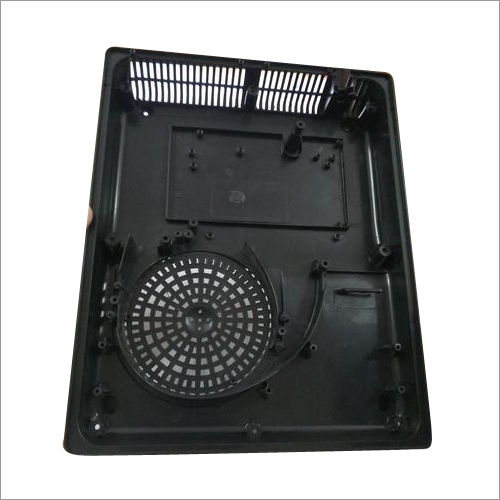

Price:
- 50
- 100
- 200
- 250
- 500
- 1000+

More Products in Plastic Moulds Category
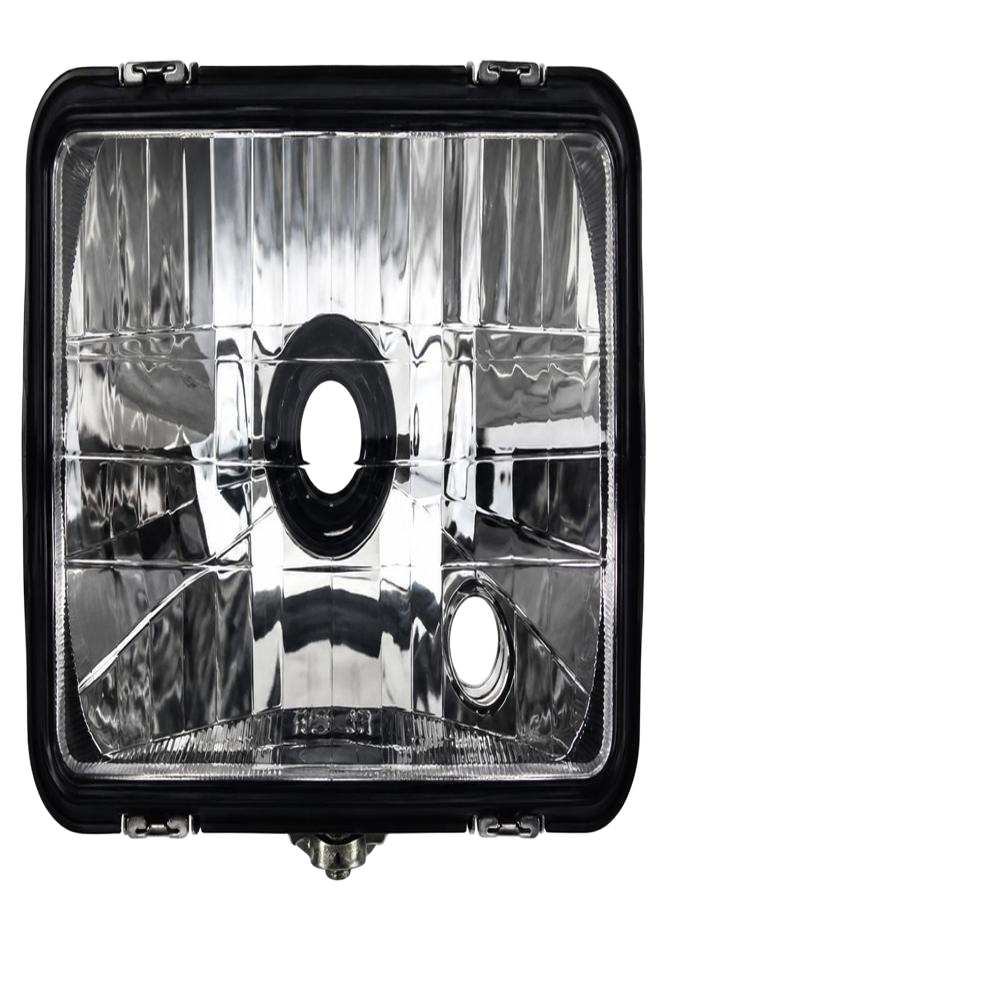
Hero Splendor
Minimum Order Quantity : 1 Unit
Core Material : H13/NAK80/2738 Steel
Die Head : Custom Machined
Tolerance : 0.01 mm
Working Process : Other
Punch Dies : Precision Ground
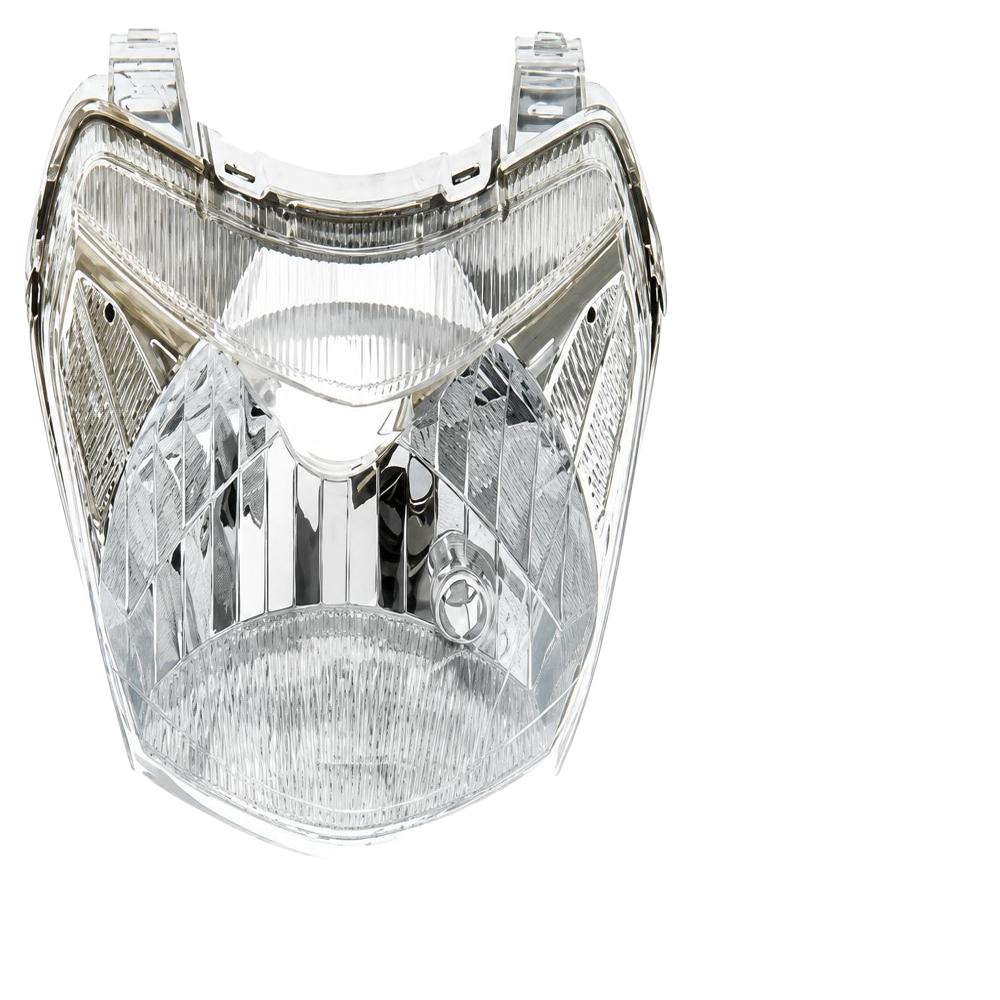
Activa 3G
Minimum Order Quantity : 1 Unit
Core Material : Hardened Steel
Die Head : Precision Polished
Tolerance : 0.02 mm
Working Process : Other
Punch Dies : High Strength Alloy
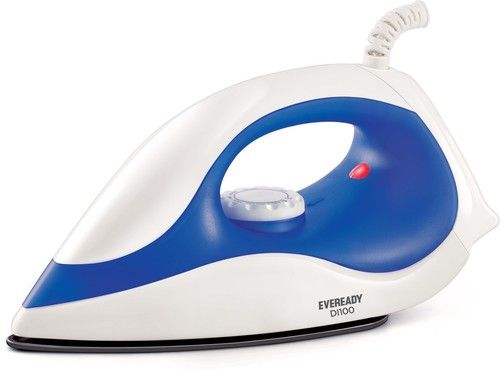
Iron Press Mould
Minimum Order Quantity : 1 Piece
Core Material : Hardened Steel
Die Head : Precision Engineered
Tolerance : 0.02 mm
Working Process : Other, Press Moulding
Punch Dies : Carbide Inserted
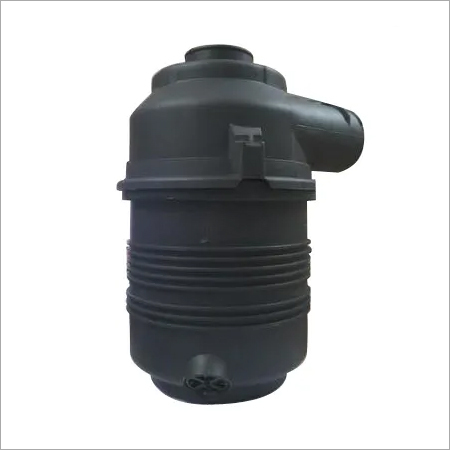
Filter Mould
Minimum Order Quantity : 1 Piece
Core Material : H13/NAK80
Die Head : Precision Hardened Steel
Tolerance : 0.01 mm
Working Process : Other
Punch Dies : Customizable as per design


- B-15, Sector-3, DSIIDC, Bawana Industrial Area,Delhi - 110039, India
- Phone : 08045801973
GST : 07ARMPS3436P1ZZ

- Mr S. B. B. Sharma (Managing Director)
- Mobile : 08045801973
- Send Inquiry
Email Id: marketing@shyamjiengineering.com
 Send Inquiry
|


 Send Inquiry
 Send SMS
Developed and Managed by Infocom Network Private Limited.
