
Call us now :08045801973
 Send Inquiry
 Send Inquiry
Filter Mould
Price 10000 INR/ Piece
MOQ : 1 Piece
Filter Mould Specification
- Core Material
- H13/NAK80
- Life Span
- 300,000 500,000 Shots
- Working Process
- Injection Moulding
- Mould Base
- P20 Steel
- Tolerance
- 0.01 mm
- Material
- High Grade Steel
- Shaping Mode
- Plastic Injection Mould
- Punch Dies
- Customizable as per design
- Die Head
- Precision Hardened Steel
- Design Software
- UG, PROE, CAD, SolidWorks
- Application
- Automotive, Industrial, Filtration Equipment
- Surface Finish
- Polished / Textured
- Ejection System
- Ejector Pin/Blade
- Mould Weight
- Dependent on Design
- Cycle Time
- 15-30 seconds
- Mould Size
- Customizable
- Runner System
- Hot Runner / Cold Runner
- Cooling System
- Optimized Water Channels
- Hardness
- 48-52 HRC
- Cavity Number
- Single / Multi Cavity Available
Filter Mould Trade Information
- Minimum Order Quantity
- 1 Piece
- Supply Ability
- 1 Piece Per Month
- Delivery Time
- 1 Week
- Main Domestic Market
- All India
About Filter Mould
Filter Mould is most commonly utilized in plastic processing industries for manufacturing housing of filter that is utilized in various machines, equipments, & industrial processing systems. It is made of high quality steel alloy with galvanized surface finish and assures superior structural strength. This mold delivers precise structures every single time while ensuring superior repeatability. It creates every single structural detail which is highly admired by our clients. Filter Mould can be availed in customized configurations as requested by customers at market leading process
Features:
- Long service life
- No special maintenance requirement
- Easy mold release
| Usage/Application | Molding Die |
Customizable Cavity and Surface Options
Select from single or multi-cavity moulds to match your production scale. Surface finishes, either polished or textured, enhance both appearance and functionality, empowering you to meet specific aesthetic and technical criteria for each application.
Advanced Runner and Ejection Systems
Choose between hot runner or cold runner systems for material flow efficiency. Ejection is executed via reliable pin or blade systems, ensuring quick, clean release of components and reducing the risk of damage.
Reliable Cooling and Robust Materials
Optimized water channels in the mould ensure rapid cooling and cycle times, while the use of P20 steel for the base and H13/NAK80 for cores guarantees long-lasting performance and high structural integrity.
FAQs of Filter Mould:
Q: How is the cavity number determined for a Filter Mould?
A: The cavity number, single or multi-cavity, is selected based on manufacturing volume requirements. Multi-cavity moulds boost productivity for large-scale production, while single-cavity moulds are ideal for prototyping or low-volume runs.Q: What benefits does the optimized cooling system offer?
A: Optimized water channels improve thermal regulation within the mould, enabling quicker cycle times of 15-30 seconds and enhanced dimensional stability, which results in higher production efficiency and better product quality.Q: When should I use a hot runner versus a cold runner system?
A: Hot runner systems are preferred when minimizing material waste and achieving higher production speeds is crucial. Cold runner systems are suitable for simpler designs or when material recycling is required after each shot.Q: Where are Filter Moulds commonly applied?
A: Filter Moulds are widely used in automotive manufacturing, industrial component production, and filtration equipment due to their precision, robustness, and adaptability to varied specifications.Q: What design software tools are utilized for mould creation?
A: Mould designs are developed using UG, PROE, CAD, and SolidWorks, enabling detailed modeling, refinement, and customization to match client needs and industry standards.Q: How does the mould material affect its lifespan and performance?
A: Constructed from high-grade steel, with core materials like H13 or NAK80 and a P20 steel base, the mould offers durability and a lifespan of 300,000 to 500,000 shots, maintaining hardness of 48-52 HRC and accuracy within 0.01 mm tolerance.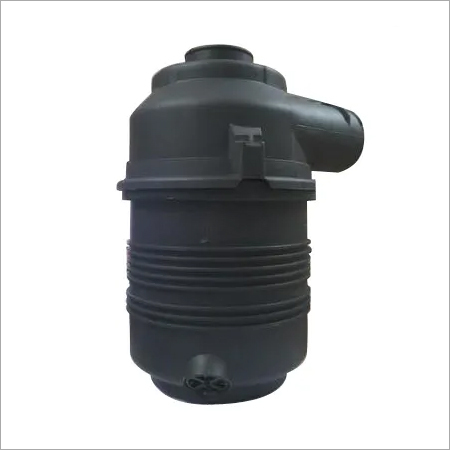
Tell us about your requirement

Price:
Quantity
Select Unit
- 50
- 100
- 200
- 250
- 500
- 1000+
Additional detail
Mobile number
Email

More Products in Plastic Moulds Category

Iron Press Mould
Minimum Order Quantity : 1 Piece
Material : Other, Cast Iron
Tolerance : 0.02 mm
Punch Dies : Carbide Inserted
Life Span : Up to 1,000,000 cycles
Shaping Mode : Other, Press Mould
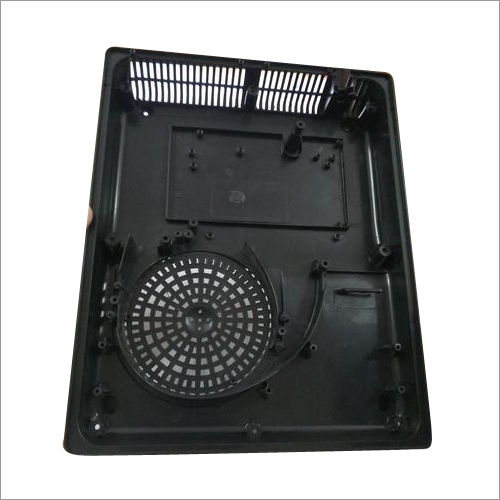
Induction Cooker Mould
Minimum Order Quantity : 1 , , Piece
Material : Other, Premiumgrade steel (P20, H13, or customers requirement)
Tolerance : 0.01 mm
Punch Dies : Multiple cavity design for efficiency
Life Span : Up to 1,000,000 shots under proper maintenance
Shaping Mode : Other, Plastic injection mould
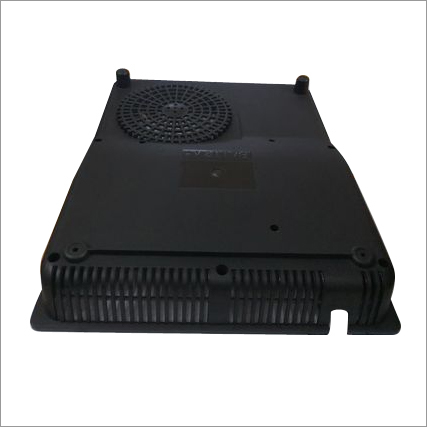
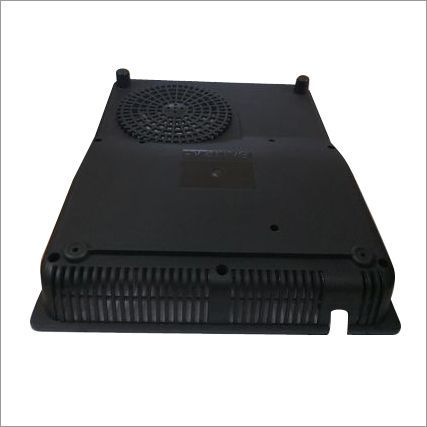
Induction Cooker Plastic Mould
Minimum Order Quantity : 1 Piece
Material : Other, High Grade Plastic
Tolerance : 0.02 mm
Punch Dies : Multiple Cavities
Life Span : 500,000 shots
Shaping Mode : Other, Plastic Injection Mould

 Send Inquiry


B-15, Sector-3, DSIIDC, Bawana Industrial Area,Delhi - 110039, India

 Send Inquiry
 Send SMS
Developed and Managed by Infocom Network Private Limited.
